Dementia on Screen
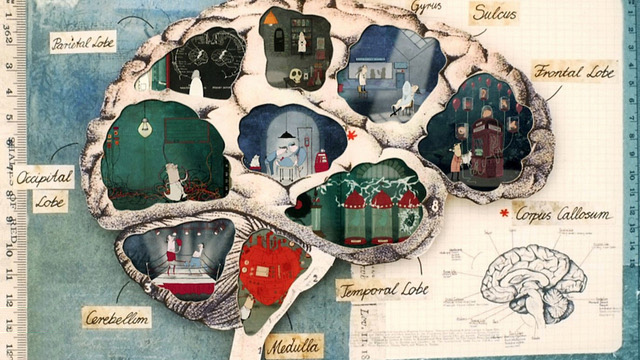
Dementia on Screen
Global Perspectives
Bloomsbury 2026 – forthcoming.
Glad to announce that I have a new book on the way, which has just gone into production at Bloomsbury and should be out by the end of the year, called Dementia on Screen: Global Perspectives. A couple of years ago, an older brother of mine was diagnosed with Alzheimer’s, and I started watching films, both fiction and documentary, in order to gauge and if possible comprehend my brother’s deteriorating state of mind by comparison with these palpable representations of the bewildering disease – a subject who is becoming absent to themself, while paradoxically remaining the same person. There were many more of them than I imagined, going back to the 1970s, and this is a book about the stories they tell, what they show, how they show it, and what they don’t show and steer away from.
It is also about the political economy of the dementia industry – what brain scientists know about the disease and what they don’t know, namely, what causes it; the aspects they evade; how big pharma exploits the science but fails to come up with a cure; how social care provision is lacking or inadequate.
The book traces the historical arc of the cinema of dementia from the first sporadic films (the earliest date from 1970) before turning into a spate at the turn of the millennium and continuing in waves ever since. Film by film, it dissects the paradoxical way the cinema of dementia adopts familiar genres – biopic, family drama, love story, thriller, black comedy, even sci-fi and horror – and then inhabits and transforms them according to its own devices. There are no happy endings, though they may be realist, symbolic, or escapist.
Surveying films from around the world, I also map the radical contrast between the biomedical agenda and private tragedy of most films from the Global North, and the smaller number from the Global South, where medicalisation and social care are underdeveloped, and instead of seeing the sufferer as an atomised individual, non-Western cultures perceive them as inextricably interwoven with the social order. These films present a counter-narrative in which different forms of social realism prevail over sentimentalisation, but the same is true of some more recent films from the Global North, both fiction and documentary, which explore novel ways to represent the devastation of a disease as mysterious as consciousness itself.